Weekend Camping Checklist: Gear to Hire, Not Buy
26 October 2026 · Four Swags
- The non-negotiables: shelter, sleep and cooking gear for a two-night trip
- Nice-to-have extras that are easy to hire and rarely worth buying
- How to turn the checklist into a hire list on Four Swags and pack lighter
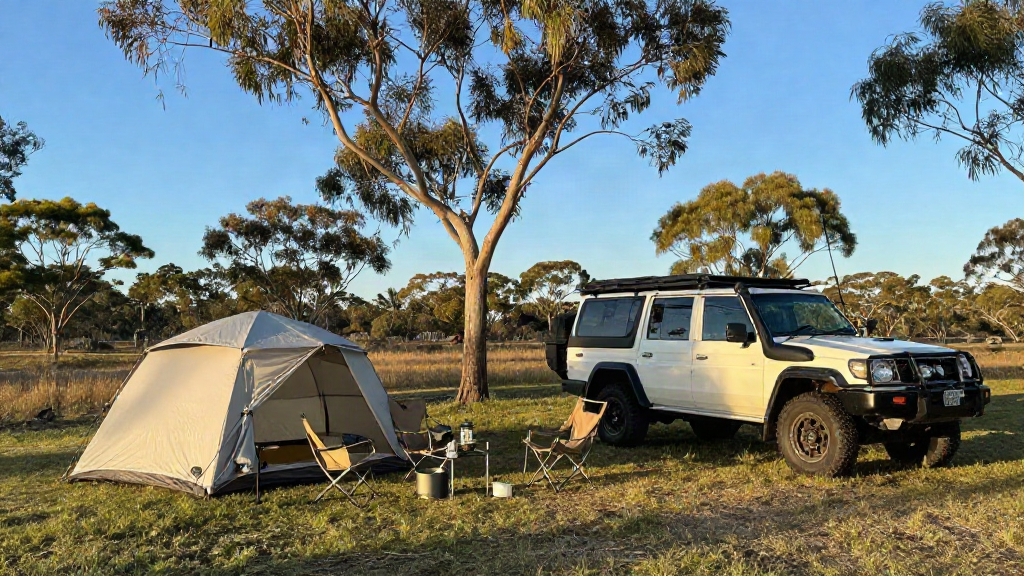
A weekend camping trip should be two days of fresh air, not two weeks of shopping. Yet most people planning a getaway end up scrolling gear sites at midnight, weighing up tents they will use twice a year and stoves that will sit in the garage until the next long weekend.
Here is the good news: you do not have to own a single piece of it. This weekend camping checklist covers the gear you actually need for a two-night trip, and notes which items make far more sense to hire from a local than to buy, store and maintain.
Start With the Non-Negotiables
Every weekend camp comes down to three jobs: somewhere to sleep, something to sleep in, and something to cook on. Get these right and the rest is comfort, not survival.
Shelter: tent, swag or awning
You need one reliable shelter for the group. A three-season dome tent handles most coastal and bush camps. A swag is the classic Australian solo option - fast to roll out, warm and simple. If you are camping from a caravan or 4WD, an awning or annexe turns the side of the vehicle into a living room.
Shelter is the number one item people buy in a hurry and regret. A quality tent is expensive, takes up half a garage shelf, and needs drying out after every trip or it goes mouldy. If you camp two or three times a year, hiring one for the weekend is the smarter call.
Sleep: mat, stretcher and bag
Under you, you want an insulated sleeping mat or a stretcher. Over you, a sleeping bag rated for the season - a three-season bag covers most of the year, and a zero-degree bag handles winter alpine nights.
Temperature ratings matter more than brand names. Ask what conditions the bag is rated for before you head out, and always pack a mat: the ground pulls heat out of you far faster than the air does.
Cooking: stove, fuel and the basics
A two-burner gas stove or a compact single-burner will feed a family for a weekend. Add a fuel canister, a lighter or matches, a basic pot set, a frypan, a chopping board, a knife, plates, cups and cutlery for each person, plus a wash tub, dishwashing liquid and a cloth.
A portable fridge or cooler keeps food safe for two days. For a longer stay, a powered fridge is worth the hire, especially in summer.
The Extras That Make a Weekend Comfortable
These are the items that separate "we survived" from "we want to go again". None of them are essential, and almost all of them are easy to hire.
- Camp chairs and a table - eating off your lap gets old fast.
- Lighting - a rechargeable lantern plus a headtorch each. You will use the headtorch more than you think.
- Power - a portable power station or a dual-battery setup if you are running a fridge.
- Water - jerry cans or a large water container, plus a refill plan.
- Shade - a gazebo or tarp for the middle of the day.
- Fire and cooking outside - a fire pit or portable BBQ, where the campsite allows it.
- Comfort - pillows, a groundsheet, a small rug, and a rubbish bag you actually use.
Specialist gear is where hiring really pays off. A 4WD recovery kit, a rooftop tent, a surfboard, a bike rack, a kayak or snow gear might each get a handful of uses a year. Buying them means paying full price to store them for the other 360 days.
What You Can Leave at Home
Most first-timers overpack. Leave behind the second tent "just in case", the full tool kit, the giant cast-iron cookware, and duplicate cooking gear. You will also survive without a generator for a two-night trip unless you have a genuine power need.
Pack light, keep one box for kitchen items and one bag for sleeping gear, and you will actually enjoy setting up camp.
Turn Your Checklist Into a Hire List
Here is where a weekend trip gets a lot cheaper and a lot easier. Every item on this checklist can be hired from someone nearby who already owns it.
- Write your list. Split it into non-negotiables and nice-to-haves.
- Mark what you own. Cross off anything already in the garage.
- Hire the rest locally. Tents, swags, fridges, power stations, kayaks, boards, snow kit and recovery gear are all commonly listed by locals on Four Swags.
- Pick up on the way. Arrange collection for the day before you leave, and confirm the return time for the day after you get back.
- Return it and go again. No storage, no maintenance, no drying out a tent in the hallway.
Hiring also means you can try before you buy. If you fall in love with a particular swag or fridge over a weekend, you will know exactly what to buy later - and if you do not, you have saved yourself hundreds of dollars and a shelf of clutter.
The Bottom Line
A great weekend camp needs shelter, sleep, cooking basics and a handful of comforts. It does not need a garage full of gear you use twice a year. Write the checklist, hire the big-ticket items from a local, and spend your money on the trip instead of the storage.
Adventure more, own less.
Hire it from a local
More guides
- How to Hire Outdoor Gear in Australia | Four Swags
- What to pack for your first camping trip: the complete checklist
- Camping near Melbourne: 10 great spots within 4 hours
- Should you hire or buy camping gear? The real cost
- Camper trailer hire: a first-timer's guide
- Snow trip from Melbourne: checklist and what to hire