How to Rent Camping Gear Safely: A Step-by-Step Guide
24 November 2026 · Four Swags
Learn how to rent camping gear safely, from inspecting tents and stoves before pick-up to checking bonds, cleaning and damage cover. Read the full guide.
Quick Summary
To rent camping gear safely, confirm the listing and owner, compare total costs and bonds, and inspect everything at pick-up. Photograph any damage, test stoves for leaks, and return gear clean and dry.
- Check that the listing names the gear clearly, shows recent photos, and states its condition.
- Compare total cost, including the bond amount and when it is released.
- Inspect canvas, seams, zips and pegs at pick-up, and photograph anything you notice.
- Do a soapy-water leak check on stove connections before first lighting, outdoors, away from flame.
- Never use a gas stove or lantern inside a tent or enclosed space.
Table of Contents
- What to Check Before You Book Camping Gear to Rent
- Inspecting Your Tent and Shelter at Pick-Up
- Using Stoves, Fuel and Lanterns Safely on Your Trip
- Damage Cover, Bonds and Missing Items: Who Pays What
- Cleaning and Drying Gear Before You Return It
- Booking Your Next Trip With Gear You Can Trust
- Frequently Asked Questions
What to Check Before You Book Camping Gear to Rent
Last Updated: November 15, 2026
Renting camping gear saves money and storage space, but a careless booking can leave you with a damaged swag or an unsafe trailer. The same few checks make the difference between a smooth trip and a bad weekend. Work through them before you pay a bond or confirm a pick-up.
Confirming the owner, ID checks and listing details
Start with the listing. A trustworthy one names the gear clearly, shows recent photos, and states the condition and what is included. Vague wording like "tent and bits" is a warning sign.
Members verify their ID before listing or hiring gear, so you know who you are dealing with before money changes hands. Browse camping gear hire options from locals in Mission Beach to see what a local hire business offers and how it operates.
Comparing rental fees, bonds and what is included
Compare the total cost, not just the daily rate. You can also read a breakdown of rental fees to check before you pay.
Kits are often better value than single items: a tent, chairs, kitchen and fridge hired together can cost less than collecting each piece separately.
Peak periods such as the Christmas and January school holidays, Easter and long weekends book out quickly.
Inspecting Your Tent and Shelter at Pick-Up
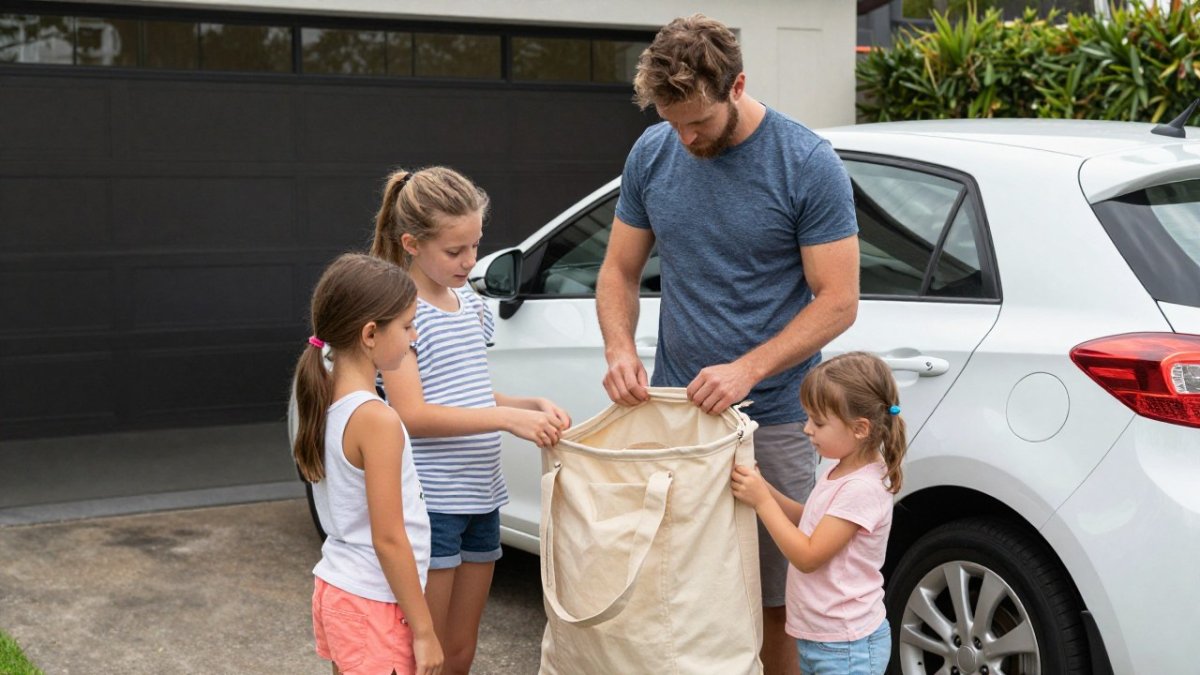
Inspect everything before you drive away. Pick-up is the moment that matters most for proving the gear's condition, so take your time and photograph anything you notice.
Canvas, seams, zips and pegs
Check canvas for tears, thin patches and dark spots that could be mould. For a beginner's walkthrough of what to expect from a camper trailer hire, see renting a camper trailer for beginners.
Count the pegs and check poles and guy lines are complete. A tent missing pegs is hard to pitch in wind, so note any shortfall before you leave.
A common mistake is accepting canvas that feels damp, packed away wet, it grows mould within days.
Camper trailer and swag hitch, lights and tyres
If towing a camper trailer, check the hitch matches your car's tow ball and confirm the plug type, either 7-pin flat or 12-pin.
Compare your car's towing capacity and tow-ball weight limit against the trailer's loaded weight (ATM).
Watch out: never tow a trailer whose hitch, lights or brakes you have not tested.
Using Stoves, Fuel and Lanterns Safely on Your Trip
Rented stoves, fuel and lanterns need the same care as your own. Read the owner's instructions before you light anything, and ask them to show you the controls and fuel type at pick-up.
Match the fuel to the appliance
Never assume a stove takes the fuel you have at home. Check the label or instructions for the fuel type, commonly LPG canisters, white gas or methylated spirits, and use only that.
Check that the canister or bottle connection is the right type for the stove. A cross-threaded or forced connection is the most common cause of a leak at camp.
Leak check before you light
Do a leak check outdoors, away from any flame, before first lighting. Fit the canister or bottle, close the valve, and brush soapy water around the connection and hose.
Check the hose for cracks, stiffness or fraying, and the O-ring or seal for nicks. A perished O-ring is cheap to replace and dangerous to ignore.
Set-up and ventilation
Set up stoves on a flat, stable surface away from your tent, awnings and dry grass.
Keep fuel cylinders upright, out of direct sun, and away from any open flame. Store spare fuel in a well-ventilated area, not inside a sleeping compartment or a closed vehicle on a hot day.
Lanterns and hot surfaces
Lanterns can get very hot. Keep them clear of canvas, children and anything that can melt or catch, and let them cool completely before packing them away.
Watch out: a stove that flares, smells of gas or will not shut off is not a stove to persevere with.
If gear fails during the trip
Know the owner's contact number and the platform's support channel before you leave. If a stove, hose or lantern fails, stop using it, isolate the fuel if safe, and message the owner with a photo.
The safety steps for rented stoves and fuel come down to a few checks you can scan before lighting up.
| Check | What to do | When |
|---|---|---|
| Fuel type | Use only the fuel named on the stove label | Before buying fuel |
| Connection | Confirm the canister or bottle connection matches the stove | At pick-up |
| Leak check | Brush soapy water on connections; bubbles mean a leak | Before first lighting |
| Hose | Look for cracks, stiffness or fraying | Before first lighting |
| Ventilation | Cook outside, downwind of sleeping areas | Every use |
| Fuel storage | Keep cylinders upright, out of sun and away from flame | Throughout the trip |
| Cooling | Let lanterns and stoves cool before packing | After each use |
Damage Cover, Bonds and Missing Items: Who Pays What
Before you sign anything, find out who pays if gear is damaged, lost or stolen during your hire. The rental terms should say this in plain language. If they do not, ask before you accept the gear, and get the answer in writing through the platform's messaging so it sits alongside your booking record.
What a bond actually covers
A bond is usually held against the hire to cover damage, missing items or late return.
Ask whether damage protection or a waiver applies and what the excess is. Compare camper trailer hire in Sandringham, where bonds and damage protection are set out with each hire.
Normal wear versus chargeable damage
Read what counts as normal wear and what counts as damage. A scuff on a chair leg, a faint mark on a camp table or minor fading on canvas is usually wear.
Watch out: a term that says you are liable for "any damage however caused" can sweep in wear the owner would otherwise absorb.
Documentation that prevents a dispute
Each hire is supported by a bond, and gear is photographed at pick-up and return, your best evidence if a dispute starts.
A handover record signed or acknowledged by both parties at pick-up and return is worth more than a hundred messages afterwards. Note the date, time, condition and any shortfall in pegs, poles or accessories.
If a claim is made
If the owner alleges damage, ask for the photos, the repair quote and the clause they are relying on, then compare them against your own pick-up and return images. Most disputes resolve at this step because the evidence is clear. If not, use the platform's dispute process rather than negotiating off-platform, and keep every message.
Missing items and late return
Count everything back in against the pick-up list before you hand the gear over. Missing pegs, a lost guy line or a stray cookware piece are the most common small claims, and the easiest to avoid. Return on the agreed day and time; late fees are often charged per day or part-day and can exceed the daily hire rate.
Cleaning and Drying Gear Before You Return It
Returning gear clean and dry is part of a fair hire, and it protects the next person who uses it.
Dry canvas fully in the sun before you pack it.
Wipe camp fridges with warm water and a little white vinegar or bicarb soda. Never use bleach.
Booking Your Next Trip With Gear You Can Trust
When you rent camping gear, you can enjoy the outdoors without the cost and storage of ownership. Checking the listing, inspecting gear at pick-up, understanding the bond and cleaning gear before return keep your hire safe and fair. Four Swags connects you with local owners, offers clear upfront fees and verified renters, and lets you hire single items or full camp kits, even picking them up along your route.
Frequently Asked Questions
What should I check before renting camping gear?
Start by confirming the owner's ID verification, the listed bond and what the hire fee covers. Check that the kit lists every item you need, including pegs, poles and mattresses. Ask for the pick-up and return times in writing, and confirm whether the hire includes cleaning. If you plan to tow a camper trailer, check the hitch, plug and your car's towing limits before booking, because gear that does not fit your vehicle is useless on the road.
How can I tell if a rented tent is safe to use?
Inspect the tent at pick-up before you leave. Look for mould or musty smells, tears in the canvas, broken zips, bent poles and missing pegs. Set it up fully in the yard to check that the poles, guy lines and rainfly fit correctly. Photograph any faults and send them to the owner before you leave, so they are recorded on your hire agreement rather than disputed when you return.
What should I do if rented camping equipment is damaged or missing?
Report the problem to the owner straight away, ideally with photos and a note on your handover checklist. Do not try to repair or replace parts yourself without approval. Check whether the bond and any damage cover apply to your hire, and read the agreement for how losses are priced. Keep receipts and messages, as they are your evidence if a dispute about the bond arises after the trip.
How should I clean and return rented camping gear?
Dry canvas fully in the sun before packing it, because a swag or tent rolled up damp can grow mould that does not fully come out. Brush off dirt when everything is dry and spot-clean with plain water rather than detergent, which can strip waterproofing. Wipe camp fridges with warm water and a little white vinegar, never bleach. Return the gear on the agreed date and time, and take photos of the packed kit as proof of its condition.
Hire it from a local
More guides
- How to Coordinate Multi-Stop Camping Gear?
- Tips for First-Time 4WD Camping: Where Do You Start?
- Renting a Camper Trailer for Beginners: A Simple Start
- How to Save Money on Camping Gear Without Buying Cheap Junk
- Best Camping Gear for Family Trips: What to Hire or Buy
- How to Rent Out Camping Equipment in Australia